


Overview
Tsavo National Park is Kenya’s largest and oldest protected wildlife sanctuary, covering an immense area of 22,000 square kilometres. Established in April 1948, this massive wilderness is sliced cleanly in half by the Nairobi–Mombasa highway and railway line, dividing the ecosystem into two distinct operational destinations: Tsavo East National Park and Tsavo West National Park. Managed by the Kenya Wildlife Service (KWS), the entire Tsavo ecosystem makes up about 4% of the country’s total landmass.
Key Attractions across the Ecosystem
- The “Red” Elephants: Tsavo is legendary for its massive elephant populations. In Tsavo East, the animals take on a distinct reddish hue from dust-bathing in the park’s vibrant, iron-rich volcanic soil.
- Mzima Springs: Situated in Tsavo West, this oasis forces millions of gallons of crystal-clear water out from beneath parched volcanic rocks. It features an underwater glass viewing chamber to observe hippos and crocodiles swimming.
- Yatta Plateau & Shetani Lava Flows: Tsavo East features the 300-km long Yatta Plateau, the world’s longest lava flow. Tsavo West hosts the Shetani fields, a stark 50-square-kilometre expanse of black volcanic rock formed just a few centuries ago.
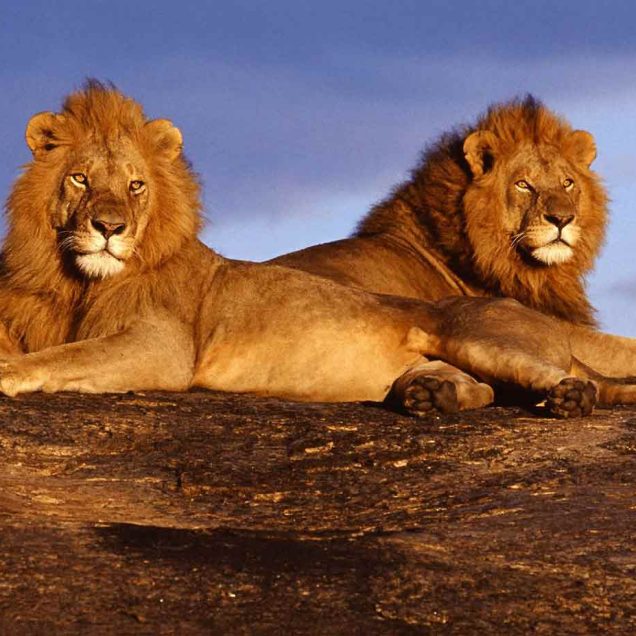
- The Legend of the Man-Eaters: In 1898, construction of the Kenya-Uganda railway line was brought to a dead halt by a notorious pair of maneless lions that preyed on railway workers. Today, Tsavo’s lions are still distinct for their unique lack of heavy manes.
- Ngulia Rhino Sanctuary: A heavily fortified, fenced area inside Tsavo West dedicated to saving the critically endangered eastern black rhinoceros from extinction.
- Lugard Falls & Mudanda Rock: Striking geological formations along the Galana River in the eastern sector. Mudanda Rock functions as a natural water catchment that attracts thousands of thirsty elephants during the dry season.
Sights


Info
Tsavo National Park is one of Kenya’s largest and oldest protected wildlife ecosystems, famously split into Tsavo East and Tsavo West. Together, they form a vast wilderness characterized by open savannahs, volcanic landscapes, river systems, and a remarkable diversity of wildlife. The park is particularly known for its “red elephants,” which often appear dusted in the region’s rich red soil, giving them a distinctive appearance. Tsavo offers a more rugged and less crowded safari experience compared to other parks, making it ideal for travelers seeking expansive wilderness and authentic adventure.
Tsavo East – Vast Plains and Iconic Wildlife
Tsavo East is known for its open grasslands and semi-arid landscapes, making wildlife easier to spot across wide horizons. One of its most famous attractions is the Aruba Dam, a man-made water reservoir that attracts large concentrations of animals, especially during dry seasons. Elephants, buffaloes, lions, giraffes, and zebras are commonly seen here, making it a prime game-viewing location. Another major feature is the Galana River, which cuts through the park and supports a rich ecosystem of crocodiles, hippos, and birdlife.
A standout natural formation in Tsavo East is Mudanda Rock, a massive whale-backed granite outcrop that acts as a natural water catchment. From its summit, visitors can enjoy panoramic views of wildlife gathering at the waterholes below. Equally impressive are the Lugard Falls, where the Galana River forces its way through narrow volcanic rock channels, creating dramatic rapids and sculpted rock formations. These attractions highlight Tsavo East’s raw, untamed beauty.
Tsavo West – Scenic Diversity and Volcanic Landscapes
Tsavo West offers a more varied and dramatic landscape, combining volcanic hills, lava flows, springs, and dense vegetation. One of its most famous attractions is Mzima Springs, a crystal-clear freshwater oasis fed by underground streams from Mount Kilimanjaro. Visitors can observe hippos, crocodiles, and fish through an underwater viewing chamber, making it one of the most unique wildlife experiences in Kenya.
The park is also home to the striking Shetani Lava Flows, a vast expanse of black volcanic rock formed from relatively recent eruptions in geological terms. The name “Shetani,” meaning “devil” in Swahili, reflects local folklore about the dramatic eruption that shaped the landscape. Nearby, the Chaimu Crater offers hiking opportunities with rewarding panoramic views of the surrounding lava fields and savannah.
Wildlife and Scenic Experience
Across both Tsavo East and West, visitors encounter a rich diversity of wildlife including lions, leopards, cheetahs, elephants, buffaloes, giraffes, zebras, and numerous antelope species. Bird enthusiasts also find Tsavo rewarding, with hundreds of recorded bird species inhabiting its rivers, wetlands, and forests.
What makes Tsavo particularly special is its sense of vastness and solitude. Unlike more densely visited parks, Tsavo allows for uninterrupted game drives across seemingly endless landscapes. The combination of dramatic geological formations, river ecosystems, and abundant wildlife makes it one of Kenya’s most iconic safari destinations.